
Why Formula 1’s Best Tracks Are Also Its Strongest Commercial Assets
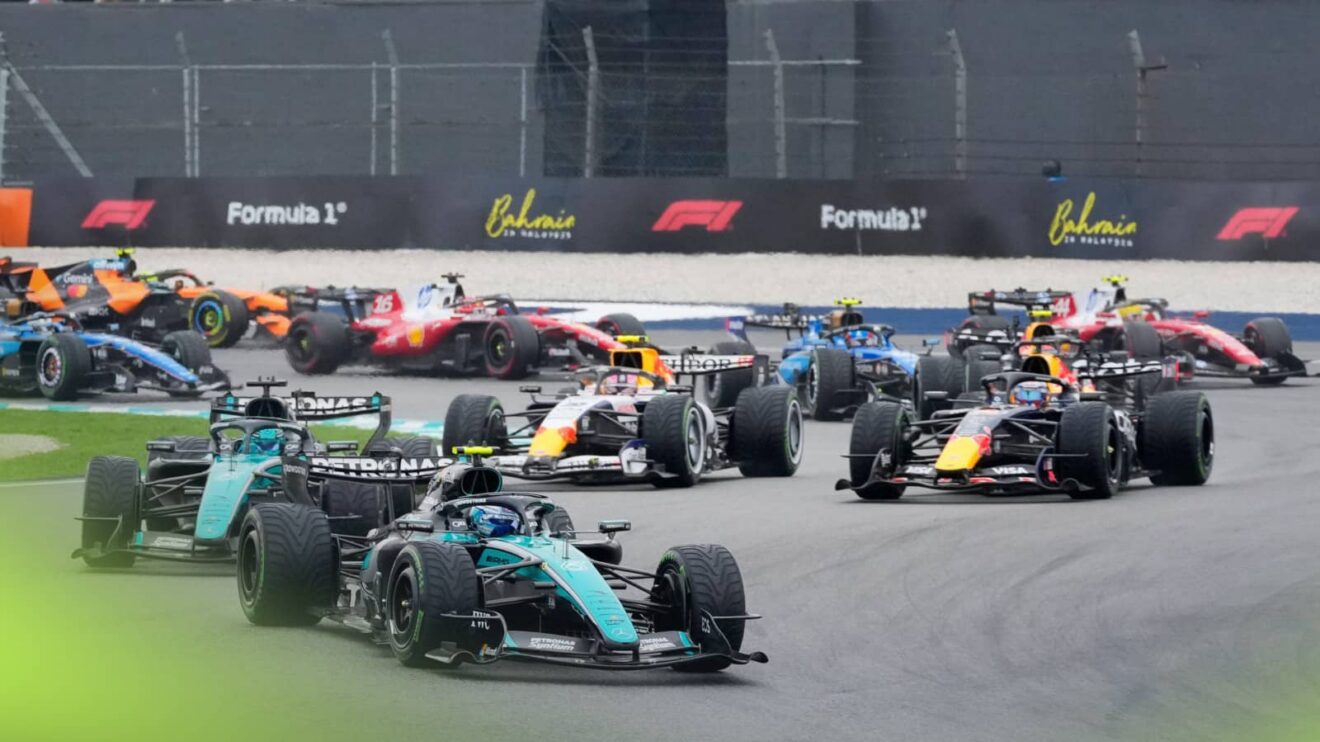
Sepang reminded me of something Formula 1 has slowly started to lose over the years: character. Watching Formula 1 return to a circuit like Sepang shows why certain tracks are so valuable to the sport. The heat, humidity, rain, tyre degradation and demanding layout all create their own challenges, meaning teams cannot simply arrive with one perfect strategy and expect everything to go according to plan. Conditions can change quickly, tyres can fall away faster than expected and strategies can completely unravel during the race. That uncertainty is exactly what can make these weekends so exciting.
Over the past few years, Formula 1 has done an incredible job growing the sport and turning Grand Prix weekends into much bigger global events. New destinations, improved hospitality, fan zones, concerts and entertainment have all helped Formula 1 reach new audiences and strengthen the commercial side of the sport. There is clearly a lot of value in that, but I sometimes think Formula 1 has become so focused on improving everything around the race that it has started to undervalue how important the circuit itself is to the overall product.
A great circuit can create excitement naturally. It does not necessarily need a Sprint weekend or a different format to make things unpredictable because the characteristics of the track already force drivers and teams to react. Circuits with difficult weather conditions, challenging layouts, different overtaking opportunities and high tyre degradation can completely change the direction of a race and create moments that fans remember long after the weekend has finished.
I also think this matters from a business perspective because exciting races help build stronger Grand Prix brands. When a race consistently produces memorable moments, fans begin to associate that circuit with excitement and unpredictability. People talk about the race afterwards, clips spread across social media and moments from that weekend become part of Formula 1 history. Over time, the race builds an identity that goes far beyond simply being another destination on the calendar.
That is one of the reasons circuits such as Interlagos, Monza and Silverstone have become so recognisable. Their value does not only come from the country they are located in or the event experience surrounding them. Their reputation has been built through decades of memorable races and moments on the track. Fans know what these circuits represent, and that gives each Grand Prix a brand of its own.
Formula 1 should absolutely continue expanding into new markets and looking for new commercial opportunities, but there has to be a balance. A Grand Prix can have incredible hospitality, huge concerts and spectacular surroundings, but the racing still needs to sit at the centre of the product. If the race itself becomes predictable year after year, then eventually some of the excitement surrounding the event begins to disappear as well.
That is why I think Formula 1 should fight harder to protect circuits with real character and, where possible, bring some of them back onto the calendar. Sepang is a great example of a track that asks different questions of the drivers and teams and creates unpredictability without having to manufacture it through a new format.
To conclude, sometimes the best way to improve the Formula 1 product is not to keep adding more around it. Sometimes it is simply to make sure the circuits themselves are capable of producing races that fans genuinely want to watch and remember. In my opinion, when the racing is exciting, the brand of the Grand Prix becomes stronger, the conversation around the sport grows and everything else surrounding the event becomes more valuable too.